
Specialised care
Social Group
Learning to connect, together
Structured peer sessions that build social skills, turn-taking and friendship in a supported setting.
- Peer interaction
- Turn-taking
- Emotional literacy
- Group play
What is social group?
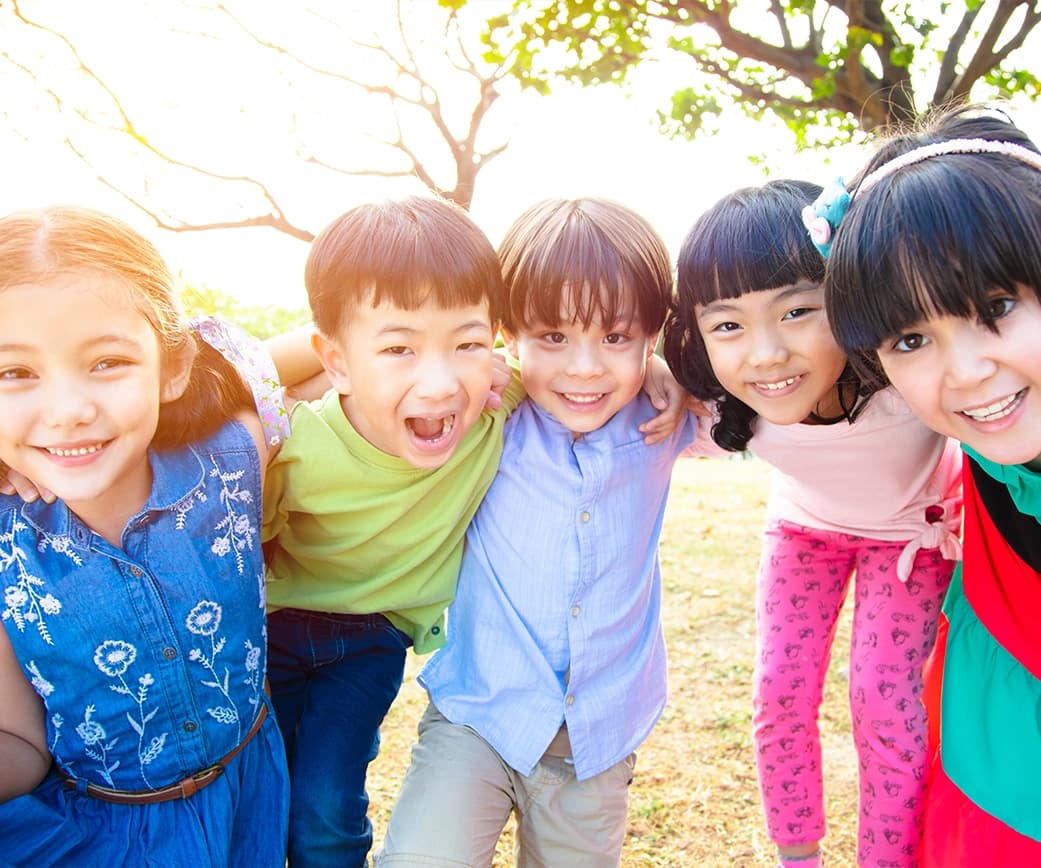
Small, structured peer sessions where children practise the social skills that help friendships flourish — turn-taking, sharing, reading emotions and joining in.
Signs your child may benefit
- Children who find peer interaction or play difficult
- Children working on turn-taking and sharing
- Children building confidence in group settings
Our approach
Therapist-guided group play with clear structure and gentle coaching, so each child can practise social skills safely and successfully.
What to expect
Regular small-group sessions with guided activities, and feedback so you can reinforce the same skills at home.
Common questions about behaviour & emotions
- My child gets very emotional when things don't go his way. How do I help?
- Help your child label emotions so they become aware of them. Discipline the behaviour, not the feeling — stay calm, avoid reinforcing outbursts, and give attention and praise for calm moments.
- Teachers say my child can't sit still in class. What can I do?
- Check common triggers first — sleep, diet (high sugar), or an underlying learning difficulty. Morning physical play helps 'use up' energy, and a simple reward chart can support focus. If it persists, ask for an assessment.
- My child screams at the barber. What should I do?
- Identify the trigger (often the razor's sound or touch), change the setting (try haircuts at shower time), use distraction, role-play with toy scissors first, and build up in small, gradual steps.
- My child climbs and jumps from dangerous heights. How do I teach him it's unsafe?
- Calmly stop the behaviour, explain the consequence simply, and redirect to a safe alternative that meets the same need (like a trampoline or crash mat). Be consistent every time.
- How do I help with hand-flapping or finger-flicking?
- These behaviours usually serve a purpose — expressing excitement or seeking sensory input. Rather than simply stopping it, teach an appropriate way to express the feeling and offer an alternative sensory activity that meets the same need.